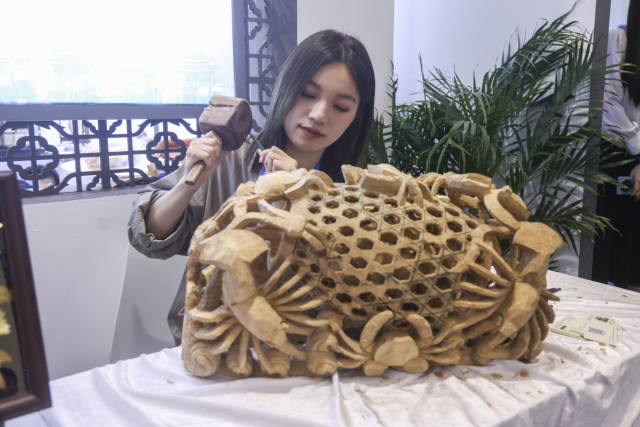
Teochew Woodcarving
Introduction
Teochew woodcarving, also known as Chaozhou woodcarving, is a distinctive and intricate form of traditional Chinese art originating from the Chaozhou region in Guangdong province. Known for its exquisite craftsmanship and elaborate designs, Teochew woodcarving is celebrated for its detailed and ornate patterns that often depict scenes from nature, mythology, and daily life. This art form has played a significant role in the cultural heritage of the Teochew people, reflecting their aesthetic preferences and regional identity. The Guangdong Museum has highlighted the beauty of Teochew woodcarving by creating cultural products that resonate with the essence of this traditional craft.
History
Origins
The origins of Teochew woodcarving can be traced back to the Song Dynasty (960-1279), during which time woodcarving techniques were refined and developed in various parts of China. However, it was during the Ming and Qing dynasties (1368-1911) that Teochew woodcarving began to flourish and establish its unique style. The geographical location of the Teochew region contributed to the development of this art form, as it was a hub for trade and cultural exchange. The availability of high-quality wood resources in Guangdong also played a crucial role in shaping the craftsmanship of Teochew artisans, allowing them to create intricate and sophisticated carvings.
Evolution
Throughout history, Teochew woodcarving has undergone significant evolution, adapting to the changing cultural and social landscapes. During the Ming Dynasty (1368-1644), the art form was primarily utilized in religious and ceremonial contexts, with carvings often adorning temples, ancestral halls, and other places of worship. As the art form evolved, Teochew woodcarving began to incorporate influences from other regions and cultures, resulting in a diverse range of styles and motifs. The Qing Dynasty (1644-1911) saw the further refinement of techniques, as well as the expansion of themes to include elements of daily life, folklore, and nature. This period marked the height of Teochew woodcarving's popularity and artistic development.
Techniques
Tools and Materials
The creation of Teochew woodcarving requires a variety of specialized tools and materials, each carefully selected to achieve the desired level of detail and precision. Artisans often use high-quality hardwoods such as camphor, ginkgo, and rosewood, prized for their durability and fine grain. The choice of wood is crucial, as it dictates the potential complexity and longevity of the carving. Traditional tools used in the carving process include chisels, gouges, and knives, each designed for specific functions such as shaping, smoothing, and detailing the wood. Mastery of these tools is essential for achieving the intricate patterns and delicate textures characteristic of Teochew woodcarving.
Carving Styles
Teochew woodcarving is renowned for its diverse array of styles, each reflecting different aspects of the region's cultural heritage. One prominent style is the "openwork" technique, which involves carving intricate patterns that create a lace-like effect, allowing light and shadow to play through the design. Another notable style is "high relief," where figures and motifs are carved with significant depth, creating a sense of dimensionality and dynamism. "Flat relief" and "round carving" are also commonly employed, each offering unique aesthetic qualities and challenges. The choice of style often depends on the intended use of the carving, as well as the preferences of the artisan.
Cultural Significance
Traditional Uses
Teochew woodcarving has traditionally been used in various aspects of daily and ceremonial life, serving both functional and decorative purposes. In religious contexts, woodcarvings are often found in temples and ancestral halls, adorning altars, columns, and beams with intricate depictions of deities, mythical creatures, and auspicious symbols. These carvings are believed to invite blessings and protection from spiritual forces. In domestic settings, Teochew woodcarving decorates furniture, screens, and architectural elements, adding beauty and cultural resonance to living spaces. The art form also plays a role in traditional festivals and celebrations, with carved items used in processions and rituals.
Symbolism
Symbolism is a fundamental aspect of Teochew woodcarving, with each motif and design element imbued with specific cultural meanings. Common themes include depictions of dragons, phoenixes, and other mythical creatures, symbolizing power, prosperity, and harmony. Floral patterns such as peonies and lotuses represent beauty, purity, and renewal. Additionally, scenes from folklore and mythology are often featured, conveying moral lessons and cultural values. The use of symbolism in Teochew woodcarving reflects the deep connection between the art form and the spiritual and philosophical beliefs of the Teochew people, serving as a medium for cultural expression and preservation.
Modern Developments
Contemporary Applications
In recent years, Teochew woodcarving has found new relevance and applications in the modern world. Artists and designers are exploring innovative ways to incorporate traditional techniques and motifs into contemporary products and architecture. This fusion of old and new is evident in the creation of cultural creative products, such as those developed by the Guangdong Museum, which feature traditional patterns applied to modern items like scarves, vacuum bottles, and jewelry. This approach not only honors the heritage of Teochew woodcarving but also introduces it to new audiences, ensuring its continued appreciation and relevance in a rapidly changing world.
Preservation Efforts
Preservation efforts are crucial to safeguarding the future of Teochew woodcarving, as the art form faces challenges related to modernization and the decline of traditional skills. Various initiatives have been undertaken to promote awareness, education, and appreciation of this cultural heritage. Workshops, exhibitions, and cultural festivals are organized to showcase the beauty and craftsmanship of Teochew woodcarving, inspiring interest and engagement from the public. Additionally, collaborations between artisans, cultural institutions, and educational organizations aim to train new generations of craftsmen, ensuring the transmission of skills and knowledge. These efforts are essential for maintaining the vitality and legacy of Teochew woodcarving.








